Canada
 USA
USA Japan
Japan


What Is a Capsule House?

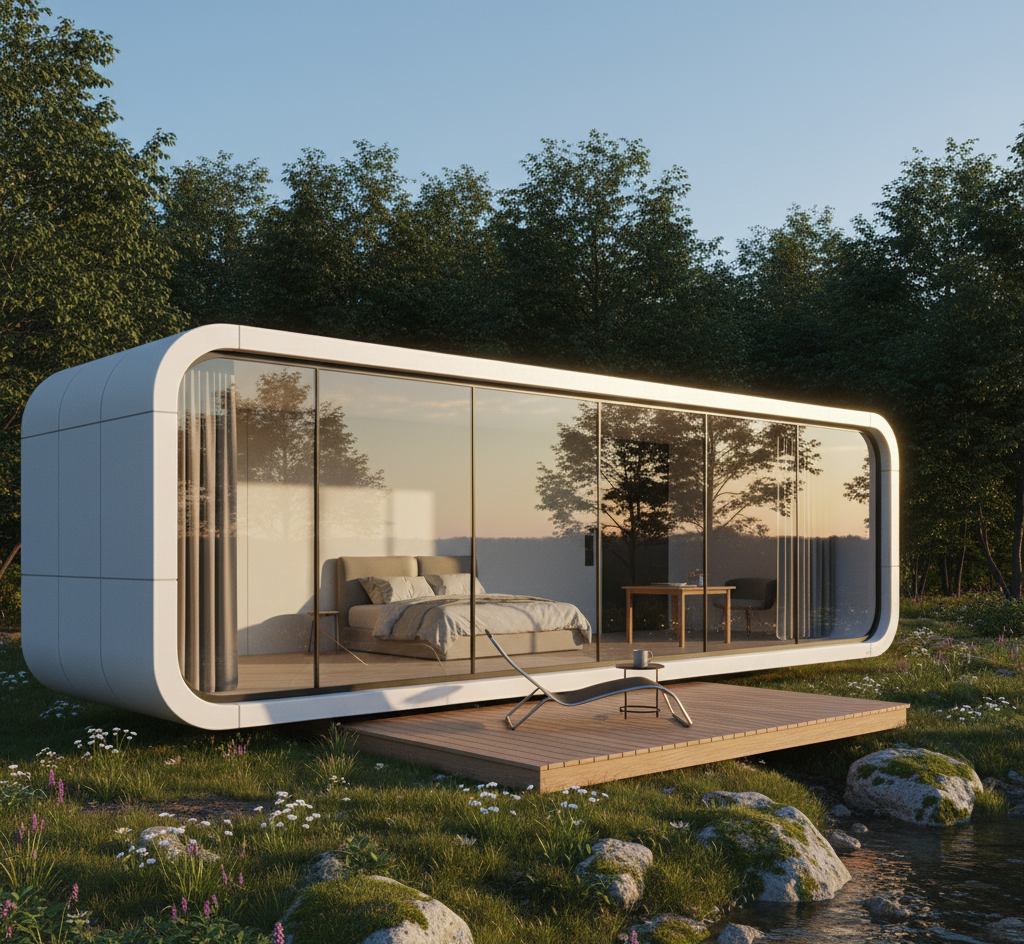
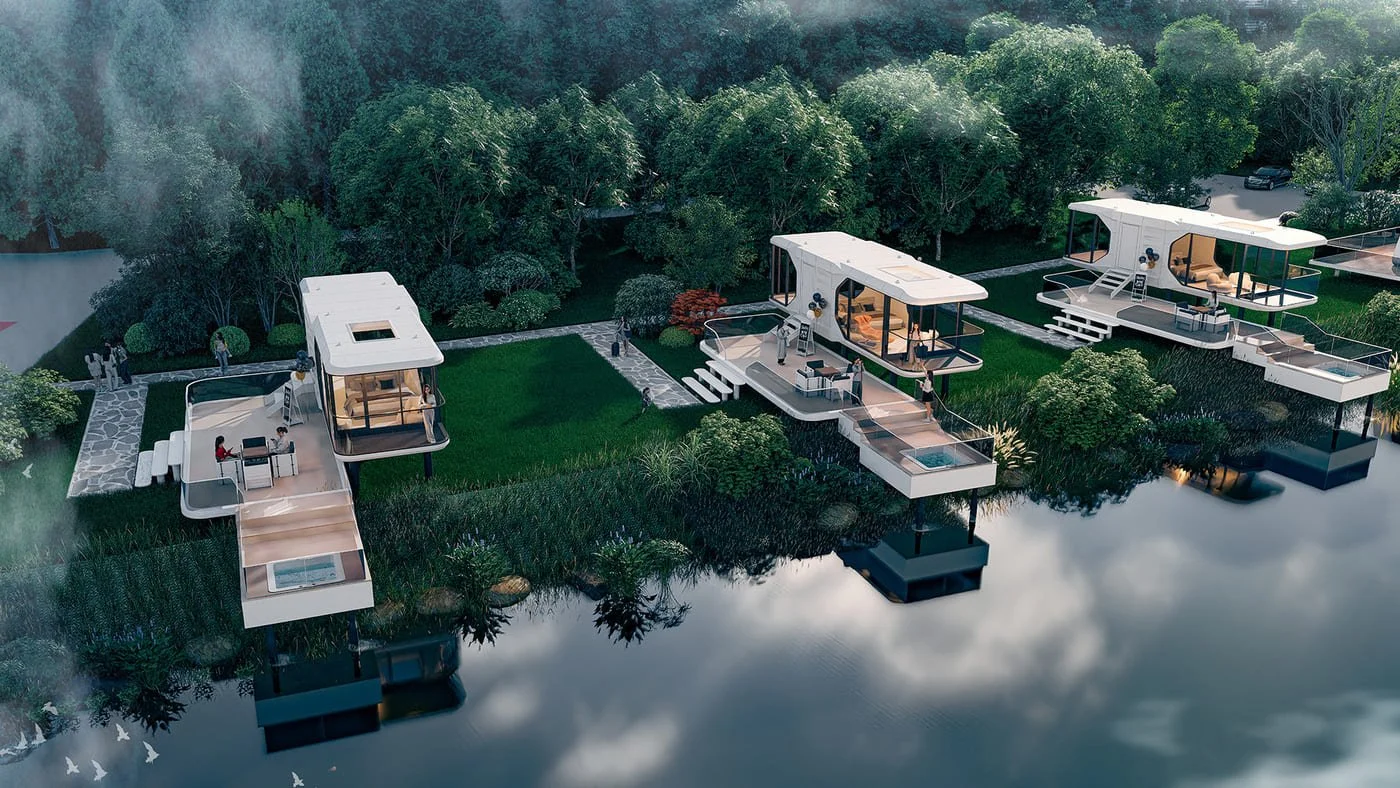
A capsule house is a small, prefabricated dwelling inspired by space-saving design principles—originally rooted in Japan’s capsule hotels but now evolved into full-fledged micro-homes for modern living. These structures prioritize functionality, sustainability, and minimal footprint, making them ideal for urban lots, backyard spaces, off-grid retreats, or affordable housing solutions.
Origins: From Tokyo Pods to Global Micro-Homes
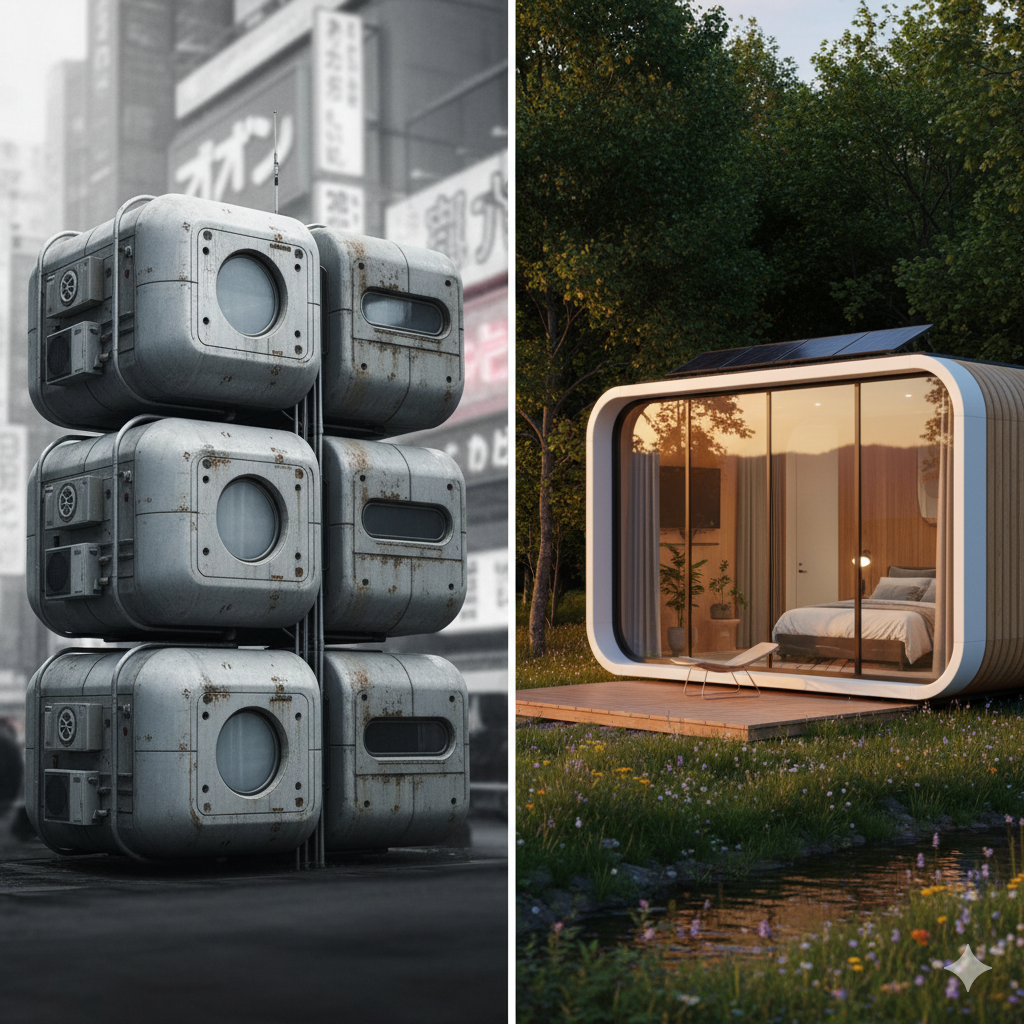
The concept began in 1979 with Japan’s Nakagin Capsule Tower—a modular building made of detachable 2.5m x 2.5m “pods” for salarymen needing a place to sleep after late work nights. These early capsules were barely 100 sq ft, containing only a bed, desk, and TV.
Today’s capsule houses have evolved far beyond sleeping pods. While still compact, they’re livable, insulated, and often fully equipped with kitchens, bathrooms, and smart technology—blending Japanese minimalism with Scandinavian and industrial design.
Key Features of Modern Capsule Houses
- Size: Typically 4–40 sqm (40–430 sq ft)
- Shape: Box-like, rounded, or cylindrical with clean lines
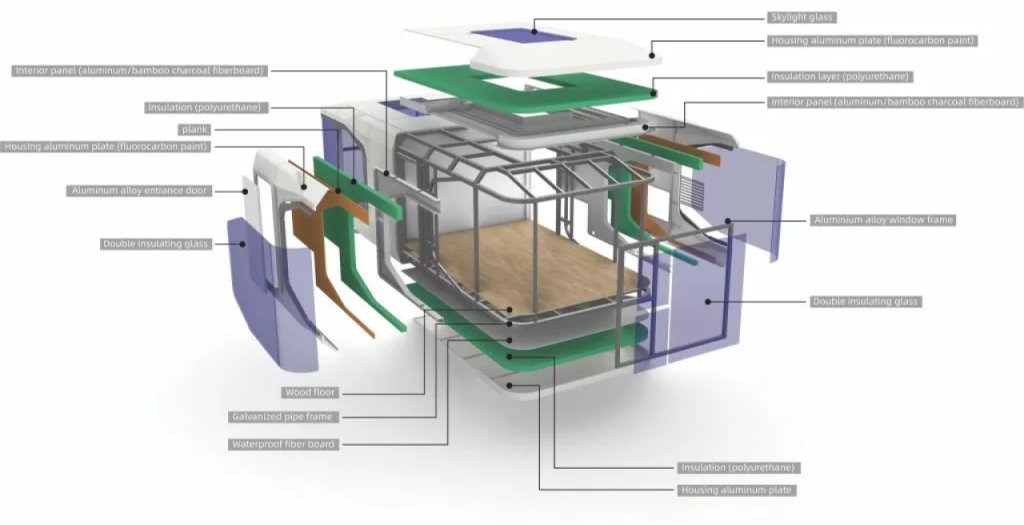
- Materials: Light steel frame, insulated panels, composite cladding, tempered glass
- Prefabricated: Built in factories for quick on-site assembly (1–7 days)
- Smart & Sustainable: LED lighting, energy-efficient windows, optional solar power, rainwater collection
Common Uses Around the World
- 🇯🇵 Japan: Urban micro-apartments and hotel pods
- 🇵🇭 Philippines: Backyard studios, guard houses, affordable starter homes (e.g., Etong, Haven Pods)
- 🇺🇸 USA: ADUs (Accessory Dwelling Units), remote offices, off-grid cabins
- 🇪🇺 Europe: Eco-retreats and minimalist living (e.g., Volferda in the Netherlands)
- 🇨🇳 China: Mass-produced export units for tourism and worker housing
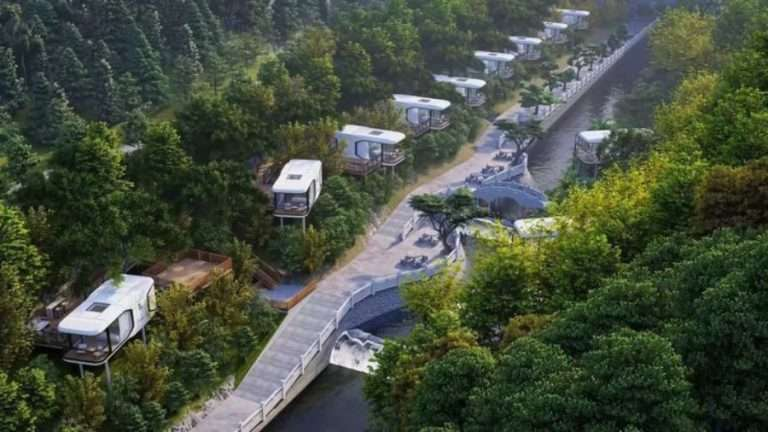
Capsule House vs. Tiny House: What’s the Difference?
| Design | Modular, geometric, often boxy or rounded | Cottage-style, gable roof, wood siding |
| Construction | Factory-built panels, bolt-together | Often stick-built on trailer |
| Mobility | Usually permanent or semi-permanent | Typically on wheels (mobile) |
| Aesthetic | Futuristic, minimalist, tech-integrated | Rustic, cozy, handcrafted |
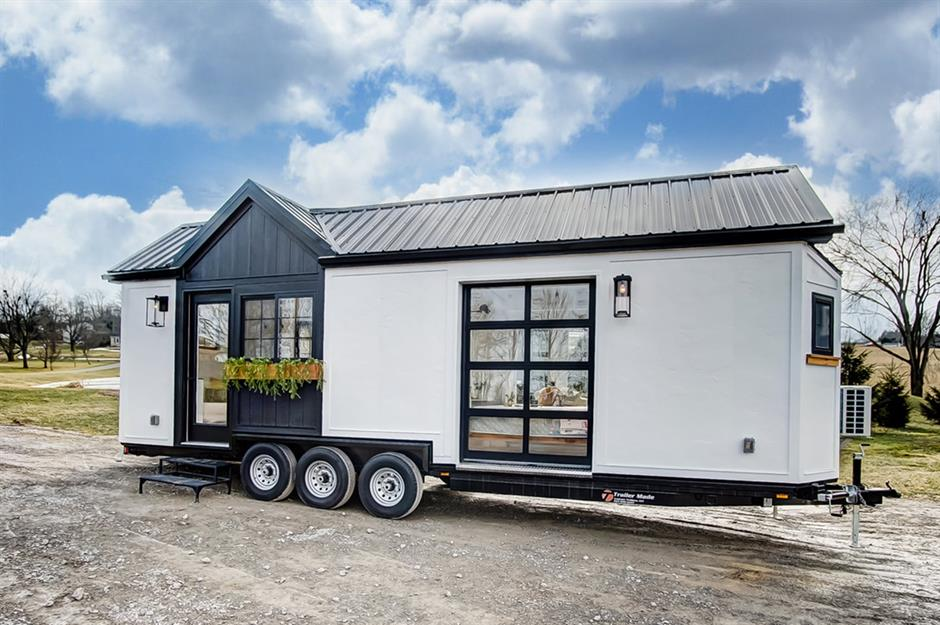
FAQs
Q: Can you live full-time in a capsule house?
A: Yes—if it’s 12 sqm (130 sq ft) or larger and includes basic amenities like ventilation, sanitation, and cooking space. Many people do, especially in the Philippines and Europe.
Q: Are capsule houses eco-friendly?
A: Generally, yes. Their small size reduces energy use, and many use sustainable materials, solar panels, and low-impact foundations.
Q: Do they feel claustrophobic?
A: Not when well-designed. Large windows, high ceilings (even in small footprints), light colors, and smart storage create an open, airy feel.