Canada
 USA
USA Japan
Japan


How to Make a Capsule House


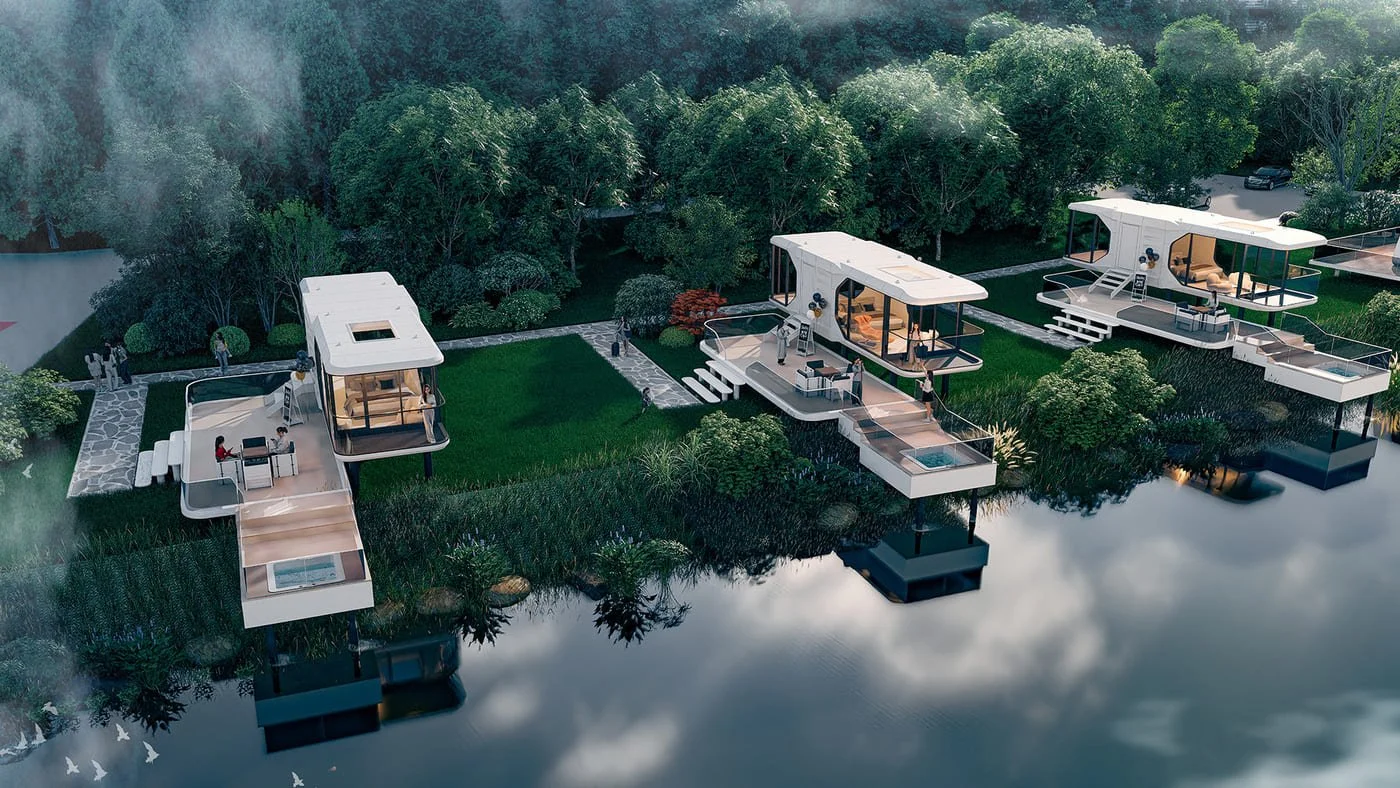
Building your own capsule house is an exciting way to embrace minimalist living, reduce your environmental footprint, or create a backyard retreat. While it requires planning and some construction know-how, many DIYers and small builders successfully create functional, stylish capsule homes. Here’s how to get started.
1. Define Your Purpose & Budget
Ask yourself:
- Will it be a full-time home, guest house, office, or vacation cabin?
- What’s your maximum budget? (Include materials, permits, utilities, and tools.)
- Do you need off-grid capabilities (solar, composting toilet, rainwater)?
Most DIY capsule homes cost $15,000–$50,000 if you do the labor yourself.
2. Choose a Design & Size
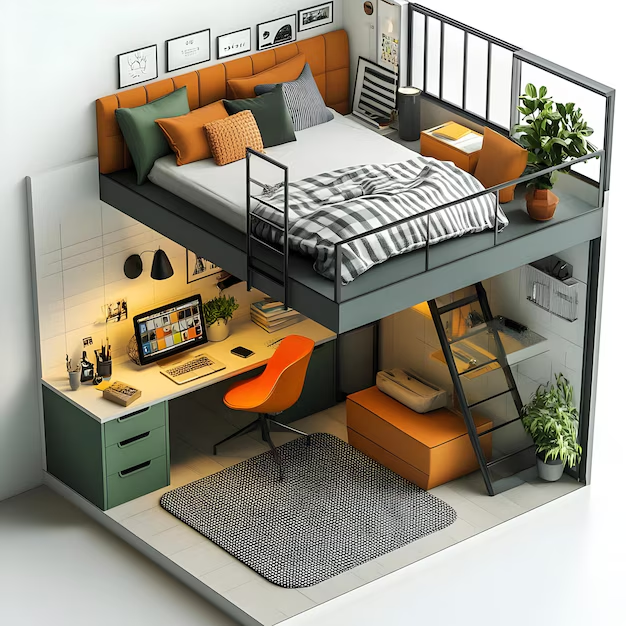
Capsule homes typically range from 80 to 300 sq ft with rounded or boxy minimalist shapes. Key design principles:
- Maximize vertical space (lofts, wall beds, tall cabinets)
- Use multi-functional furniture (fold-down desks, convertible seating)
- Prioritize natural light (large windows, skylights)
You can:
- Buy pre-made plans online (from sites like Etsy, Tiny House Build, or Architectural Designs)
- Modify shipping container or shed plans for a capsule aesthetic
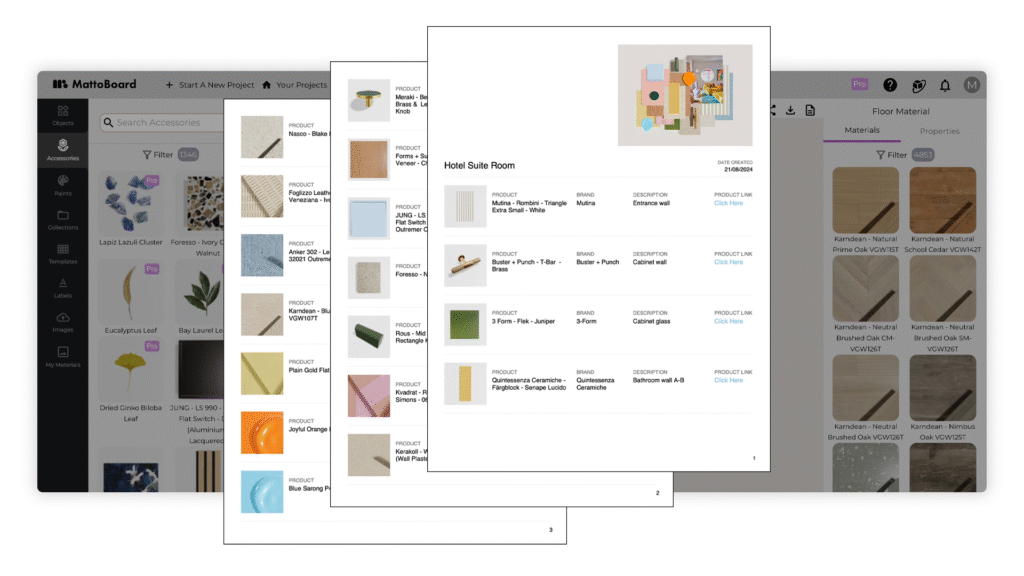
- Design your own using free tools like SketchUp Free or Floorplanner
3. Check Local Laws & Get Permits
Before building:
- Contact your local zoning office—some areas allow ADUs (Accessory Dwelling Units) under 200 sq ft without full permits.
- Determine if your capsule will be on a foundation or trailer (on wheels = often classified as an RV).
- Ensure compliance with building codes (e.g., egress windows, insulation, electrical).
Tip: Building in a rural area often has fewer restrictions than in cities.
4. Gather Materials & Tools
Common materials for a durable, insulated capsule:
- Frame: Wood (2×4 or 2×6) or steel studs
- Walls/Roof: SIPs (Structural Insulated Panels), plywood + rigid foam, or metal siding
- Windows/Doors: Energy-efficient, tempered glass
- Interior: Plywood, bamboo panels, or drywall
- Utilities: PEX plumbing, 12V/120V electrical, mini-split HVAC (optional)
Source materials from local lumber yards, Habitat for Humanity ReStores, or online marketplaces to save money.
5. Build in Stages
Phase 1: Foundation or Trailer
- For permanent builds: concrete slab, piers, or crawl space
- For mobility: certified trailer with proper axle rating
Phase 2: Frame & Shell
- Erect walls, roof, and install windows/doors
- Add weather barrier (house wrap) and roofing
Phase 3: Insulation & Interior
- Insulate walls, floor, and ceiling (aim for R-13 to R-30)
- Run electrical and plumbing (hire an electrician/plumber if not certified)
- Install flooring, walls, kitchenette, and bathroom
Phase 4: Finishing Touches
- Paint, lighting, smart storage solutions
- Outdoor deck or landscaping
FAQs
Q: Do I need construction experience to build a capsule house?
A: Basic carpentry skills help, but many first-timers succeed with detailed plans, online tutorials, and community support (e.g., r/tinyhouse on Reddit).
Q: How long does it take to build one?
A: A solo builder may take 3–6 months working weekends; with help or a kit, it can be done in 4–8 weeks.
Q: Can I make it off-grid?
A: Yes! Add solar panels (200–400W system), a composting toilet, a tankless water heater, and rainwater collection for full off-grid capability.