Canada
 USA
USA Japan
Japan


Capsule House for Sale South Africa


Yes—capsule-style houses are for sale across South Africa, with local manufacturers offering prefabricated, insulated, and secure micro-homes designed for the country’s diverse climate—from Cape Town winters to Gauteng heat and coastal humidity. While not always branded as “capsule houses,” these compact units (often called “prefab homes,” “micro-cabins,” or “ADUs”) deliver the same minimalist, space-efficient living.
Here’s where to buy one right now in South Africa:
✅ Top Suppliers & Brands
1. Zusbo (Global)
- Price: R120,000 – R350,000
- Size: 18 m² to 45 m² (≈194–484 sq ft)
- Features:
- Light steel frame (rust-resistant)
- Insulated roof & walls (ideal for hot/cold extremes)
- Pre-wired electrical, plumbing-ready
- Burglar-proof windows & security doors
- Delivery: All provinces (4–8 weeks)
- Best for: Backyard granny flats, student housing, Airbnb pods
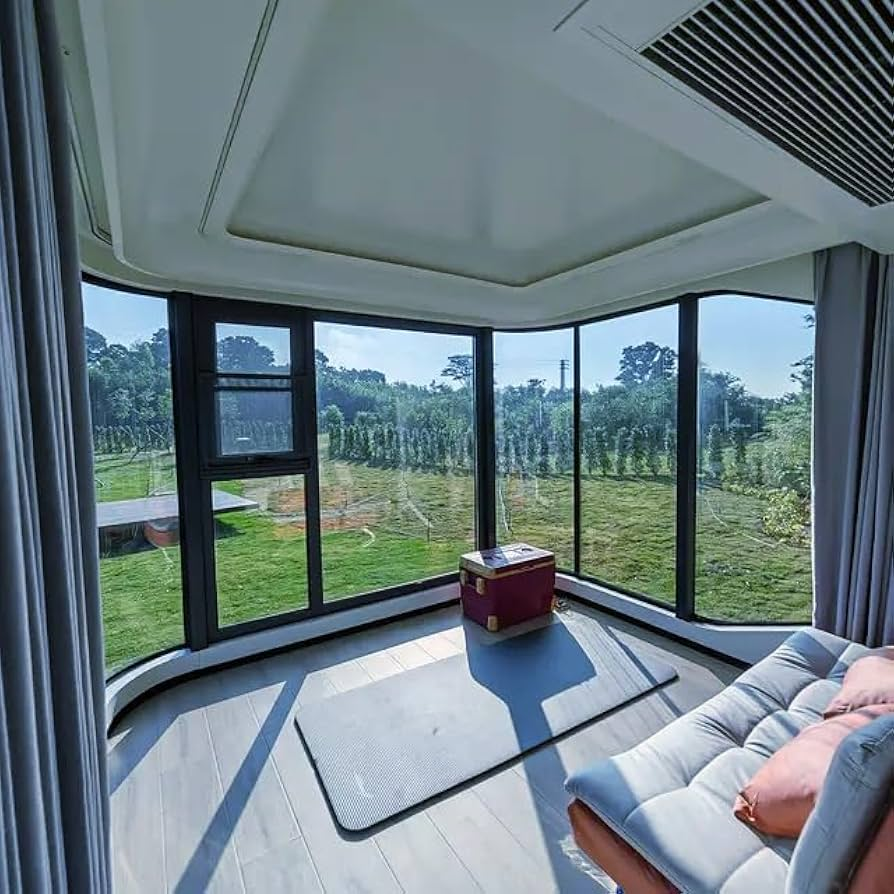
2. EcoCapsule SA (Cape Town & Western Cape)
- Price: R180,000 – R450,000
- Design: Futuristic pod-inspired micro-homes with curved roofs
- Features:
- Solar-ready roof
- Rainwater harvesting option
- Double-glazed windows
- Optional composting toilet
- Ideal for: Eco-retreats, off-grid cabins, coastal properties
3. Prefab Home Solutions (Gauteng, Durban, PE)
- Price: R95,000 – R280,000
- Specialty: Budget-friendly steel-frame units
- Use: Site offices, guard houses, starter homes
- Lead time: As fast as 2–3 weeks
4. Tiny Home South Africa (Johannesburg)
- Price: R250,000 – R600,000+
- Style: Tiny homes on trailer or foundation
- Note: More “tiny house” than capsule, but offers compact, high-design micro-living
💰 Price Breakdown (ZAR)
| Basic Security Pod (18 m²) | R95,000 – R180,000 | Guard house, office, storage |
| Mid-Range Micro-Home (25–35 m²) | R180,000 – R350,000 | Backyard ADU, solo living, rental |
| Premium Eco-Pod (35–45 m²) | R350,000 – R600,000 | Off-grid cabin, luxury glamping, full-time home |
Note: Prices include delivery within 200 km. Foundation, permits, and utilities extra (R15,000–R80,000).
🏡 Key Features for South African Conditions
- Security: Reinforced doors, burglar bars, and steel frames
- Climate Control:
- Reflective roof coating for summer heat
- Insulation (50–100mm) for winter warmth
- Water Resilience: Elevated base for flood-prone areas
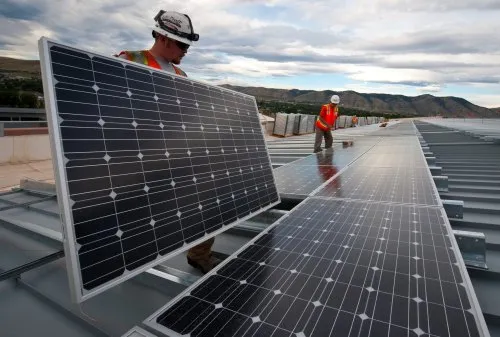
- Off-Grid Ready: Many models support solar, gas geysers, and dry toilets
📌 Legal & Practical Considerations
- Municipal Approval:
- Structures under 20 m² often only need municipal notification (not full plans)
- Over 20 m²: Submit building plans (SANS 10400 compliant)
- Foundation: Concrete slab or precast blocks (R10,000–R50,000)
- Utilities:
- Power: Extend via licensed electrician
- Water: Connect to mains or use Jojo tank
- Sewage: Link to septic or use composting toilet
Tip: Most reputable suppliers provide architectural drawings to help with approvals.
📍 Where Are They Used?
- Urban: Backyards in Johannesburg, Cape Town, Durban (as rentals or home offices)
- Coastal: Garden Route, KZN North Coast (holiday pods)
- Rural: Free State, Eastern Cape farms (caretaker units, agri-stays)
- Townships & Informal Settlements: Affordable starter homes (NGO and government projects)
FAQs
Q: Can I live in it full-time?
A: Yes—if it meets SANS 10400 housing standards (ventilation, sanitation, structural safety). Most mid-range+ models do.
Q: Are they safe in load-shedding areas?
A: Absolutely—many owners add solar + battery systems (R30,000–R100,000) for full off-grid power.
Q: Do banks finance capsule homes?
A: Not typically—but some suppliers offer installment plans, or you can use a personal loan (e.g., from FNB, Capitec).